
Best Smart Thermostats to Buy in September 2026
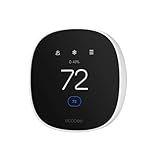
ecobee Smart Thermostat Essential - Energy Star Certified programmable Wi-Fi Thermostat - Works with Siri, Alexa, and Google Assistant
-
SAVE UP TO 23% YEARLY ON HEATING & COOLING COSTS WITH SMART SCHEDULING.
-
COMPATIBLE WITH 85% OF SYSTEMS; CHECK COMPATIBILITY EASILY ONLINE.
-
CONTROL TEMPS VIA TOUCHSCREEN OR APP; ENJOY FREE SOFTWARE UPGRADES.


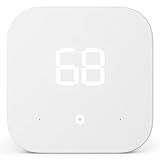
Amazon Smart Thermostat – Save money and energy - Works with Alexa and Ring - C-wire required
-
ENERGY SAVINGS: CUT YEARLY BILLS BY AN AVERAGE OF $50 WITH ENERGY STAR.
-
SMART COMFORT: AUTOMATE CLIMATE CONTROL WITH ALEXA FOR ANY ROOM SETUP.
-
EASY SETUP: USER-FRIENDLY APP GUIDES YOU THROUGH INSTALLATION EFFORTLESSLY.
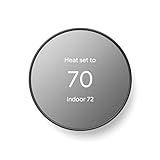
Google Nest Thermostat - Smart Thermostat for Home - Programmable Wifi Thermostat - Charcoal
- SAVE ENERGY EFFORTLESSLY WITH SMART SCHEDULING AND REMOTE CONTROL.
- ENERGY STAR CERTIFIED FOR MAXIMUM SAVINGS AND COMFORT AT HOME.
- HVAC MONITORING ALERTS KEEP YOUR SYSTEM RUNNING SMOOTHLY.
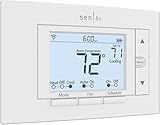
Sensi Smart Thermostat, 100 Years Of Expertise, Wi-Fi, Data Privacy, Programmable, Easy DIY Install, Works With Alexa, Energy Star Certified, Mobile App, ST55
- SECURE YOUR DATA: SENSI PRIORITIZES YOUR PRIVACY-NO DATA SELLING.
- QUICK DIY SETUP: EASY INSTALLATION WITH APP GUIDANCE, NO C-WIRE NEEDED.
- ENERGY SAVINGS: SAVE 23% ON HVAC COSTS WITH SMART SCHEDULING & REPORTS.
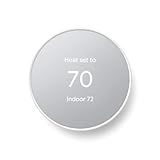
Google Nest Thermostat - Smart Thermostat for Home - Programmable Wifi Thermostat - Snow
- SAVE ENERGY & STAY COMFY WITH THE ENERGY STAR CERTIFIED NEST THERMOSTAT.
- REMOTE CONTROL & SMART SCHEDULING VIA THE GOOGLE HOME APP ENHANCE CONVENIENCE.
- HVAC MONITORING ALERTS YOU TO ISSUES, ENSURING COMFORT AND EFFICIENCY.
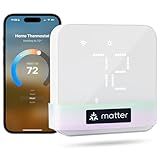
meross Smart Thermostat for Home, WiFi Thermostat Works with Matter, Alexa, Apple Home, Google Assistant, App & Voice Control, 7x24h Scheduling, Energy Saving, C-Wire Required
-
COMPATIBILITY: WORKS WITH 95% OF HVAC SYSTEMS FOR VERSATILE USE.
-
MATTER INTEGRATION: SEAMLESSLY CONNECTS WITH APPLE, ALEXA, GOOGLE, & MORE.
-
SMART SCHEDULING: CUSTOMIZABLE ROUTINES SAVE ENERGY AND ENHANCE COMFORT.
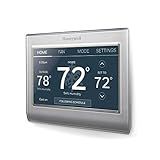
Honeywell Home RTH9585WF1004 Wi-Fi Smart Color Thermostat, 7 Day Programmable, Touch Screen, Energy Star, Alexa Ready, Gray
-
PERSONALIZE YOUR COMFORT WITH CUSTOM COLORS TO MATCH YOUR DECOR.
-
SAVE ENERGY & EARN REBATES BY JOINING ENERGY DEMAND RESPONSE PROGRAMS.
-
CONTROL YOUR HOME'S TEMPERATURE EFFORTLESSLY VIA APP OR VOICE COMMANDS.
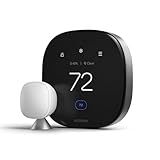
ecobee Smart Thermostat Premium with Smart Sensor and Air Quality Monitor - Programmable Wifi Thermostat - Works with Siri, Alexa, Google Assistant
-
SAVE UP TO 26% YEARLY ON HEATING AND COOLING COSTS!
-
STAY COMFORTABLE WITH SMARTSENSOR ADJUSTMENTS FOR YOUR HOME.
-
VOICE CONTROL WITH BUILT-IN APPLE SIRI AND ALEXA FOR CONVENIENCE.
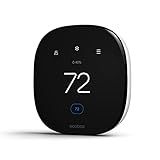
ecobee Smart Thermostat Enhanced - Programmable Wifi Thermostat - Works with Siri, Alexa, Google Assistant - Energy Star Certified - Smart Home
- SAVE UP TO 26% ANNUALLY ON HEATING & COOLING WITH SMART ADJUSTMENTS.
- EASY DIY INSTALL WITH INCLUDED POWER EXTENDER KIT FOR ALL SYSTEMS.
- CONTROL YOUR COMFORT REMOTELY WITH THE ECOBEE APP ON ANY DEVICE.
Smart thermostats have become increasingly popular as they offer a range of benefits that can make them a worthwhile investment for many households. One of the primary advantages is their ability to learn and adapt to your schedule, which can lead to increased energy efficiency and potential cost savings on your utility bills. These devices typically allow for remote control through smartphone apps, providing you with the convenience of adjusting your home's temperature even when you're not there. This can be particularly useful for ensuring comfort upon arrival home or for making adjustments while on vacation. Additionally, many smart thermostats provide detailed energy usage reports, helping you to better understand and manage your household's energy consumption. They can also be integrated with other smart home systems, offering enhanced functionality such as voice control through digital assistants like Amazon Alexa or Google Assistant. However, the initial cost of a smart thermostat can be higher than traditional models, and the potential savings on energy bills may vary depending on individual usage patterns and the efficiency of your home. Also, people living in regions with mild climates may not see significant cost savings. It's important to consider factors like your existing heating and cooling system, compatibility, and personal preferences when deciding if a smart thermostat is worth it for you.
What is multi-zone heating and can smart thermostats manage it?
Multi-zone heating is a system that divides a home or building into different zones, each with its own temperature settings. This allows for more precise control over the heating needs of different areas, improving comfort and potentially reducing energy costs by heating only the areas that are in use.
In a multi-zone heating setup, each zone typically has its own thermostat that controls its specific zone's heating elements. This can be particularly useful in homes where certain areas might naturally be warmer or cooler than others, or in buildings with diverse heating requirements.
Smart thermostats can indeed manage multi-zone heating systems. They offer advanced features such as:
- Remote Control: Smart thermostats can be controlled via a smartphone app or web interface, allowing users to adjust the temperature of different zones remotely.
- Scheduling: Users can set schedules for each zone, customizing temperatures according to usage patterns. For instance, in a home, the living room could be heated during the day while bedrooms are prepared for use in the evening.
- Learning Capability: Some smart thermostats have learning features that automatically adjust settings based on users' habits and preferences, offering convenience and energy savings.
- Energy Monitoring: Many smart thermostats provide insights into energy usage, helping users identify opportunities to save on heating costs.
- Integration with Smart Home Systems: Smart thermostats can often be integrated with other smart home devices, such as sensors or voice assistants like Amazon Alexa, Google Assistant, or Apple HomeKit. This allows for seamless control and automation across multiple systems.
To set up a smart thermostat for a multi-zone heating system, each zone's thermostat needs to be compatible with the smart system, and the user must ensure proper configuration according to the thermostat's instructions. Some smart thermostats are specifically designed for multi-zone systems, while others may require a hub or additional equipment to handle multiple zones efficiently.
What is the impact of smart thermostats on electric bills?
Smart thermostats can significantly impact electric bills, primarily by optimizing heating and cooling efficiency. Here are several ways they can help reduce energy costs:
- Automation and Scheduling: Smart thermostats allow users to set schedules for heating and cooling based on their daily routines. This ensures that energy is used only when necessary, reducing waste.
- Learning Capabilities: Many smart thermostats have learning algorithms that adapt to a household’s habits over time. They automatically adjust temperatures based on occupancy patterns, leading to more efficient energy use.
- Remote Control: With smart thermostats, homeowners can control their heating and cooling systems remotely via smartphone apps. This allows for adjustments on-the-go, such as turning down the heat if someone will be home later than expected.
- Energy Usage Insights: Smart thermostats often provide detailed reports and insights into energy usage, helping users understand their consumption patterns and identify opportunities for savings.
- Geofencing: Some smart thermostats use geofencing technology to detect when residents are leaving or approaching home. The thermostat can adjust temperatures accordingly, ensuring comfort while minimizing energy use when the house is empty.
- Integration with Other Smart Devices: By connecting with other smart home systems, smart thermostats can create a more energy-efficient environment. For example, they can coordinate with smart blinds to regulate indoor temperature naturally.
- Adaptive Climate Control: These devices can adjust settings based on real-time weather conditions, optimizing energy use by taking outdoor temperatures into account.
Overall, the impact of smart thermostats on electric bills tends to be positive, with many users experiencing noticeable reductions in energy costs. Savings vary depending on factors such as climate, insulation, and personal habits, but in general, they can lead to significant long-term reductions in energy consumption and cost.
What is geofencing on a smart thermostat?
Geofencing on a smart thermostat is a feature that uses your smartphone's location services to create a virtual boundary around your home. When your smartphone enters or exits this boundary, the thermostat automatically adjusts the temperature settings based on predefined preferences. This can help improve energy efficiency and comfort by ensuring that your home is adequately heated or cooled when you're present and saving energy when you're away.
For example, if you leave your home and cross the geofence boundary, the thermostat might lower or raise the temperature to conserve energy. Conversely, as you return and cross the boundary again, the thermostat can adjust to your preferred settings to ensure the home is comfortable upon your arrival. This automation helps in reducing the manual effort of adjusting thermostat settings and can lead to energy savings.
How do smart thermostats work with HVAC systems?
Smart thermostats work with HVAC systems by providing advanced control, efficiency, and convenience through wireless connectivity and intelligent features. Here's how they typically interact:
- Connectivity and Interface: Smart thermostats connect wirelessly to your home's network, allowing you to control your HVAC system remotely via a smartphone app, tablet, or PC. They often come with touchscreen displays and intuitive interfaces for straightforward manual control.
- Sensor Integration: These thermostats use built-in sensors to monitor temperature, humidity, motion, and sometimes even occupancy. This data allows them to adjust the HVAC settings automatically to maintain comfort and energy efficiency.
- Learning Capabilities: Many smart thermostats have machine learning capabilities, meaning they can learn your schedule and preferences over time. They automatically adjust the heating and cooling settings based on your daily patterns without manual input.
- Geofencing: Smart thermostats can use geofencing technology to detect when you are approaching or leaving home, adjusting the HVAC settings accordingly. This feature helps in maintaining comfort when you are home and saving energy when you are away.
- Energy Monitoring and Reports: They often provide insights into your energy usage and offer suggestions on how to optimize your heating and cooling settings to save on energy costs. Monthly energy reports and detailed usage statistics help you understand your HVAC system's performance better.
- Integration with Smart Home Systems: Smart thermostats can integrate with other smart home devices and platforms like Amazon Alexa, Google Assistant, and Apple HomeKit. This integration allows for voice control and automation alongside other connected devices.
- Remote Diagnostics and Maintenance Alerts: Some smart thermostats can send alerts and notifications about maintenance issues, reminding you to change filters, or alerting you if the system is malfunctioning. They can also facilitate remote diagnostics, allowing HVAC technicians to troubleshoot problems without needing to visit your home initially.
- Zoning Capabilities: Advanced smart thermostats can control different zones of a house separately if your HVAC system supports zonal heating and cooling. This helps in targeting climate control where it's needed most, rather than conditioning unused areas.
Overall, smart thermostats enhance HVAC systems by making them more responsive to user habits, energy-efficient, and easier to manage both locally and remotely.