Best Baby Walking Shoes in September 2026
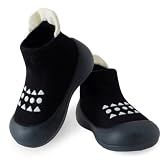
Hstyle Baby Walking Sock Shoes Toddler Infant Slippers Black 12-18 Month
-
BREATHABLE COMFORT: SOFT COTTON ADAPTS TO YOUR BABY'S FOOT MOVEMENTS.
-
SAFETY FIRST: NON-SLIP RUBBER SOLE ENSURES SECURE WALKING ON ANY SURFACE.
-
EASY ON/OFF: ELASTIC OPENING MAKES THESE SHOES SIMPLE TO WEAR AND REMOVE.


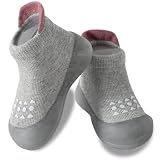
Hstyle Baby Walking Sock Shoes Toddler Infant Slippers Grey 12-18 Month
- BREATHABLE COMBED COTTON ENSURES COMFORT FOR ALL-DAY WEAR.
- NON-SLIP RUBBER SOLE PROVIDES SAFETY ON ANY SURFACE.
- EASY ON/OFF DESIGN WITH ELASTIC OPENING FOR HASSLE-FREE USE.
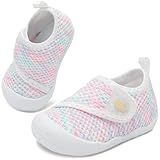
FEETCITY Baby First Walking Shoes Girls Boys Wide Infant Shoes Baby Slip On Sneakers Lightweight Barefoot Crib Shoe
-
WIDE ROUND TOE DESIGN: PROMOTES MOVEMENT, BALANCE, AND SAFETY WHILE CRAWLING.
-
BREATHABLE KNITTED UPPER: KEEPS FEET DRY AND COMFORTABLE YEAR-ROUND, NO BLISTERS.
-
REINFORCED HEEL & TPR SOLE: OFFERS STABILITY AND GRIP FOR SAFE FIRST STEPS.
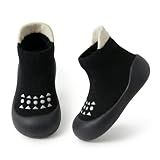
AniKigu Baby Sock Shoes Toddler Walking Slippers Black 12-18months
- BREATHABLE COMFORT: KEEPS LITTLE FEET DRY AND COZY ALL DAY LONG.
- PROTECTIVE DESIGN: ANTI-COLLISION SHOE HEAD GUARDS AGAINST INJURIES.
- EASY ON/OFF: SLIP-ON DESIGN ENSURES QUICK DRESSING FOR TINY EXPLORERS.
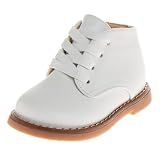
Josmo Baby Boys Girls Unisex Walking Shoes First Step Walker - Lightweight Synthetic Dress Boots Non-Slip Bottom High top - White (Size 2 Infant)
- PREMIUM FAUX LEATHER OFFERS STYLE AND COMFORT FOR FIRST STEPS.
- HIGH-TOP ANKLE SUPPORT ENSURES STABILITY AS INFANTS LEARN TO WALK.
- VERSATILE DESIGN SUITS BOTH CASUAL AND FORMAL OCCASIONS EFFORTLESSLY.
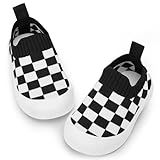
BACSAC Baby Shoes Toddler Shoes Boys Girls Infant Sock Shoes Lightweight Breathable Walking Baby Shoes 6-36 Months Black,12-18 Months
- NON-SLIP SOLES FOR SAFE, ADORABLE STROLLS
- BREATHABLE, MOISTURE-WICKING FOR COOL, DRY FEET
- CRASH-RESISTANT TOE CAP PROTECTS TINY FEET
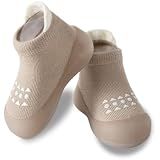
Hstyle Baby Walking Sock Shoes Toddler Infant Slippers Brown 12-18 Month
- ULTIMATE COMFORT: SOFT, BREATHABLE COTTON ADAPTS TO GROWING FEET.
- SAFETY FIRST: NON-SLIP SOLE SAFEGUARDS TINY TOES ON ANY SURFACE.
- EASY TO WEAR: ELASTIC OPENING ENSURES EFFORTLESS ON-AND-OFF COMFORT.
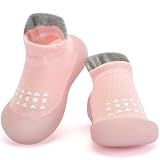
BACSAC Infant Walking Shoes Baby Sock Shoes with Soft Rubber Sole, Non-Slip Toddler Slippers for boys and girls, Breathable Sneakers Pink,12-18 months
-
ALL-DAY COMFORT: SOFT, BREATHABLE COTTON KEEPS FEET COZY YEAR-ROUND.
-
SAFETY FIRST: NON-SLIP RUBBER SOLE OFFERS SUPERIOR TRACTION FOR TODDLERS.
-
TOUGH PROTECTION: ANTI-COLLISION DESIGN SHIELDS TINY TOES FROM BUMPS.
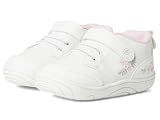
Stride Rite Baby Boy's SR-Taye 2.0 (Infant/Toddler) Pink 3 Infant M/W
- STYLISH FAUX-LEATHER DESIGN FOR TRENDY KIDS' FOOTWEAR.
- PADDED TONGUE AND COLLAR ENHANCE ALL-DAY COMFORT.
- DUAL FIT SYSTEM FOR CUSTOMIZABLE WIDTH AND SUPPORT.
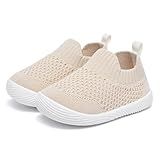
MORENDL Toddler Shoes Baby Walking Sock Shoes Non-Slip Breathable Boys & Girls Sneakers Infant Tennis Shoe Khaki 12-15Months
- KEEP LITTLE FEET COOL & COMFY WITH EXCELLENT BREATHABILITY.
- LIGHTWEIGHT DESIGN ALLOWS FOR UNRESTRICTED MOVEMENT & REDUCES FATIGUE.
- NON-SLIP SOLES ENSURE STABILITY FOR CONFIDENT WALKING AND PLAY.
Best Baby Walking Shoes Review in 2026 starts with a milestone most parents remember: those wobbly first 10 to 20 steps across the living room, usually followed by one sock flying off and one tiny heel slipping sideways. Pediatric foot specialists still repeat the same core point in 2026-early walkers need flexibility and grip more than structure-yet many top-selling baby shoes are still too stiff, too heavy, or too narrow through the toe box.
That mismatch matters. A baby’s foot contains more cartilage than fully formed bone, and during the first walking phase, the foot spreads noticeably with each step. Put a beginner walker in a rigid sole or narrow forefoot, and you often see the same review complaints: tripping, toe curling, red marks near the little toe, and shoes kicked off within minutes.
If you’re comparing pairs right now, this Best Baby Walking Shoes Review in 2026 will save you time. I’ll break down what actually matters-sole flexibility, toe-box shape, closure security, indoor traction, outdoor durability, and fit for chubby or wide feet-plus the price brackets where value is strongest.
How we select products: Our team reviews products daily, analyzing customer ratings (4.0+ stars minimum), pricing trends, discount history, material specs, and real buyer feedback across major retailers to surface options that deliver the best value. For this Best Baby Walking Shoes Review in 2026, we prioritized models with strong first-walker performance, soft-flex soles, and consistently positive comments about fit, grip, and ease of putting them on.
What makes the Best Baby Walking Shoes Review in 2026 different from older buying guides?
A lot of older guides treated baby shoes like miniature sneakers. That’s outdated. In 2026, the best-reviewed first walker shoes are usually lighter, lower-profile, and more foot-shaped than the clunky pairs that dominated even five years ago.
The biggest shift is the move toward minimal structure with targeted grip. Parents want shoes that protect against rough sidewalks and daycare floors, but still bend at the forefoot. In review data, shoes described as “easy to roll up,” “bends with one hand,” or “barely feels like a shoe” tend to outperform bulkier pairs on comfort and repeat wear.
Another change: fit variety is getting more attention. Babies with high insteps or wide feet often reject standard slip-ons. If your child’s footprint looks broad or you keep seeing sock indent lines, check it out for a width-focused guide that explains why roomy fit changes stability.
How we picked the winners for this Best Baby Walking Shoes Review in 2026
I didn’t rank shoes just by star ratings. That’s how you end up recommending a cute pair that photographs well but twists sideways on hardwood.
Here’s the filtering process used for this Best Baby Walking Shoes Review in 2026:
- Minimum rating threshold: We prioritized shoes with 4.0 stars or higher, with extra weight given to products above 4.4 stars.
- Review volume: Pairs with 500+ reviews got preference because patterns become clearer at scale.
- Flex test: We favored soles that bend at the ball of the foot, not the midfoot only.
- Weight check: Lightweight pairs ranked higher because heavy shoes can alter early gait mechanics.
- Toe-box shape: Rounded, foot-shaped fronts beat tapered styles in comfort complaints.
- Closure performance: Hook-and-loop straps and wide-opening uppers scored better than narrow pull-on designs.
- Surface grip: We looked for consistent praise on tile, wood, and outdoor pavement.
- Return-pattern clues: Repeated complaints about “runs small,” “hard to get on,” or “falls off” lowered rankings fast.
A pattern showed up quickly: first-walker shoes with soft rubber outsoles and flexible knit or leather-like uppers generated fewer blister complaints than rigid synthetic styles. That held true across budget and premium categories.
What to look for before you buy baby first walker shoes
The best baby shoes aren’t just cute-they solve mechanical problems. Here are the features that actually affect whether your child walks confidently or fights the shoes.
1. How flexible should baby walking shoes be?
You should be able to bend the front half of the shoe with one hand. If the sole resists or feels board-stiff, it’s more suited to older toddlers than beginner walkers.
A good benchmark: the shoe should flex at the metatarsal area-the ball of the foot-not fold in the middle like a taco. Too much midfoot collapse can be just as unhelpful as a stiff sole.
2. Why does toe-box width matter so much?
Babies splay their toes for balance. A cramped toe box limits that natural stability and can lead to toe gripping, which many parents misread as “awkward walking.”
Look for a rounded or anatomical forefoot, especially if your child has a high instep or puffy baby feet. For broader fit comparisons, Phparea has a useful width explainer that parallels what many parents see in first-walker sizing.
3. Which closures stay on best?
Single straps work for average-volume feet, but double hook-and-loop straps usually perform better on babies who kick shoes off. Stretch collars can help, but they’re often less adjustable than they look.
In user reviews, the phrase “stays on” correlates strongly with wide opening plus adjustable strap, not with elastic alone.
4. What outsole grip is best for new walkers?
You want light traction, not deep lugs. Aggressive tread can catch on indoor rugs, while totally smooth bottoms slide on polished floors.
The sweet spot is a thin rubber outsole with small traction pods or shallow grooves. That gives enough grip on laminate and sidewalks without making the step feel sticky.
5. How much room should there be at the toe?
Aim for roughly a thumb’s width or about 0.5 inch of front space for many babies, but don’t oversize. Shoes that are too long cause heel lift, and heel lift is one of the top reasons first walkers trip indoors.
💡 Did you know: Baby feet can grow up to half a size in just 2 to 4 months during active growth phases. That’s why a pair that fit perfectly in spring can suddenly leave red marks by early summer.
Best Baby Walking Shoes Review in 2026: best options under the lower budget range
The strongest budget picks in 2026 aren’t the cheapest-looking pairs. They’re the ones that copy the core performance features of premium first-walker shoes: soft sole, broad toe area, and easy-entry straps.
In this price-conscious tier, the winners usually have:
- Thin but grippy rubber soles
- Soft textile or leather-like uppers
- Wide ankle openings
- Lightweight builds under many bulkier toddler alternatives
The tradeoff is durability. Budget pairs often show toe-scuff wear within 6 to 10 weeks if your baby crawls and walks on concrete regularly. That said, for mostly indoor use or daycare rotation, they’re often the best value per wear.
If your child has especially broad feet, the budget tier gets trickier because lower-cost shoes tend to run narrower. Resources that compare width categories-like techfi.writeas.com-can help you avoid wasting money on returns.
Best Baby Walking Shoes Review in 2026: where the mid-range sweet spot usually wins
This is where I’ve seen the best balance of comfort, durability, and secure fit. Mid-range baby walking shoes typically upgrade the outsole rubber, improve stitching around the toe cap, and offer better adjustability for different foot shapes.
If you want one pair for both indoor cruising and short outdoor walks, this bracket usually makes the most sense. Review patterns show fewer complaints about sole separation and less stretching-out at the collar compared with ultra-budget options.
The best performers in this range often include:
- Flexible sole with reinforced toe bumper
- Two-point adjustability
- Breathable lining that reduces sweaty-foot odor
- More accurate sizing consistency across batches
Pro tip: if your baby drags one foot slightly while learning, choose a pair with a raised toe bumper. That small design detail reduces premature wear better than thicker soles do.
Best Baby Walking Shoes Review in 2026: are premium pairs actually worth it?
Sometimes yes, but only for specific situations.
Premium baby walking shoes tend to justify the higher spend in three areas: better materials, more consistent shape retention, and stronger outsole durability. If your child walks daily outdoors, attends daycare, or has fit issues like wide feet or a high instep, a premium pair may last long enough to earn the upgrade.
What premium doesn’t guarantee is better first-step function. I’ve handled expensive pairs that looked beautiful but failed the one-hand flex test. In this Best Baby Walking Shoes Review in 2026, premium only counts if it improves movement, not just aesthetics.
What real reviews reveal about sizing, slipping, and blisters
The most useful review comments are rarely “so cute” or “my baby loves them.” The gold is in repeated fit language.
Across major retailers, these phrases tend to predict problems:
- “Runs small” = often narrow toe box or short internal length
- “Hard to get on” = low instep volume or narrow opening
- “Falls off easily” = weak heel hold or shallow collar
- “Leaves marks” = upper stiffness or sizing mismatch
- “Slips on wood floors” = outsole rubber too smooth
Meanwhile, high-performing first walker shoes get praised for specific reasons:
- “Flexible from day one”
- “Didn’t need break-in time”
- “Baby stopped toe-walking in these”
- “Good for chunky feet”
- “Works with socks and without”
If you’re researching family walking footwear more broadly, you may also end up comparing adult support-focused pairs like best hoka walking shoes women, but baby gait needs are almost the opposite: less bulk, less rocker, and far more forefoot freedom.
Red flags that disqualify a baby walking shoe fast
Some problems show up so consistently that they’re deal-breakers.
1. The sole is thick and stiff
If it feels like a mini running shoe, skip it for a beginner walker. Early walkers need to feel the ground enough to balance.
2. The toe shape narrows to a point
That shape may look sleek, but babies don’t need sleek. They need room for toe splay.
3. The shoe twists off with a gentle pull
If you can remove it easily without undoing the closure, your baby probably can too-usually in the stroller aisle.
4. Ratings are high but review count is tiny
A 4.8-star score across 27 reviews tells you much less than a 4.4-star score across 2,000 reviews. Volume reveals sizing consistency, not just first impressions.
5. Multiple reviews mention blisters behind the heel
Heel-rub complaints are rarely random. They usually point to a stiff collar seam or poor internal padding.
For broader comparison habits and how review analysis works across walking categories, learn about best walking shoes for wide feet if you want to see how fit complaints cluster in footwear reviews generally.
Should babies wear shoes indoors or stay barefoot?
For healthy foot development, barefoot is usually best indoors when the floor is safe and warm. Babies learn balance faster when they can grip the floor naturally with their toes.
Shoes become more useful for outdoor surfaces, daycare hygiene rules, rough patios, and slippery public flooring. If you need indoor coverage, soft-soled baby shoes or grippy socks usually outperform thick-soled outdoor pairs.
Some parents overuse shoes because they assume more support helps. For first walkers, “support” often gets confused with stiffness, and stiffness is exactly what many babies don’t need.
How often should you replace baby walking shoes?
More often than most parents expect. In active growth periods, many babies need a size reassessment every 8 to 12 weeks, especially between first steps and age two.
Replace them sooner if you notice:
- Toe dents from pressure
- Red marks after 20 to 30 minutes
- Uneven outsole wear
- Heel slipping that wasn’t there before
- Refusal to walk in a previously loved pair
You may see unrelated footwear resources online, like visit site or www.google.com, but for baby shoes, growth rate and sole flexibility should stay at the center of your decision.
Final verdict: what matters most in the Best Baby Walking Shoes Review in 2026
After comparing materials, outsole designs, fit feedback, and review trends, the single most important factor is forefoot flexibility with a wide, stable toe box. If a shoe bends easily at the ball of the foot and gives your baby’s toes room to spread, you’re already avoiding the two biggest causes of discomfort and unstable steps.
So if you’re choosing between two similar pairs, ignore the cuter styling and pick the one with lighter weight, better grip, and a broader front shape. That’s the clearest shortcut to a pair your baby will actually walk in.
Frequently Asked Questions
What shoes are best for a baby learning to walk?
The best shoes for a baby learning to walk are lightweight, flexible, and wide in the toe box with a thin grippy sole. Look for pairs that bend at the forefoot, stay on securely, and don’t leave red marks after short wear.
Should babies wear shoes when they first start walking?
Indoors, many babies do best barefoot on safe surfaces because it helps balance and toe grip. Shoes are most useful outdoors, at daycare, or on rough and slippery surfaces where protection matters.
How do I know if baby walking shoes are too small?
Check for red marks, toe curling, hard-to-put-on fit, or sudden refusal to walk in them. If the front feels crowded or the heel is pushed forward, the shoes are likely too small even if they still technically go on.
Are expensive baby walking shoes worth buying?
They can be worth it if your child walks outdoors often, needs better durability, or has fit challenges like wide feet or a high instep. But expensive doesn’t always mean better-flexibility and fit beat premium styling every time.
What are the best baby walking shoes for wide feet in 2026?
For wide feet, the best baby walking shoes in 2026 usually have a rounded toe box, generous instep height, and adjustable straps rather than narrow slip-on openings. If reviews repeatedly mention “great for chunky feet” or “easy to get on,” that’s a strong buying signal.