
Best Protein Powders to Buy in September 2026
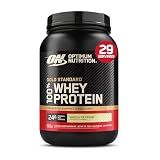
Optimum Nutrition Gold Standard Whey Protein Powder, Vanilla Ice Cream, 2LB
-
24G FAST-ABSORBING WHEY PROTEIN PER SCOOP FOR MUSCLE GROWTH.
-
5.5G BCAAS SUPPORT RECOVERY & STRENGTH FOR OPTIMAL PERFORMANCE.
-
LOW SUGAR, LOW CARB FORMULA IDEAL FOR LEAN MUSCLE & CUTTING PHASES.


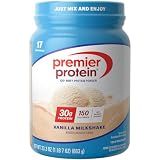
Premier Protein 30g High Protein Powder, 100% Whey, Vanilla, 17 Servings
- INDULGE IN CREAMY VANILLA FLAVOR WITH 30G PROTEIN PER SERVING!
- GUILT-FREE: ONLY 1G SUGAR, 3G CARBS, AND 150 CALORIES PER SERVING!
- VERSATILE USE: MIX IN SMOOTHIES OR BAKE DELICIOUS PROTEIN TREATS!
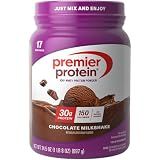
Premier Protein 30g High Protein Powder, 100% Whey, Chocolate, 17 Servings
- INDULGE GUILT-FREE: 30G PROTEIN, ONLY 1G SUGAR PER SERVING!
- MIX, BAKE, OR BLEND – VERSATILE FOR ALL YOUR FAVORITE RECIPES!
- AVAILABLE IN THREE DELICIOUS FLAVORS FOR ENDLESS ENJOYMENT!
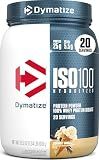
Dymatize ISO100 Protein Powder, 100% Whey Isolate, Gourmet Vanilla
- RAPID ABSORPTION FOR MUSCLE GROWTH WITH 25G OF HIGH-QUALITY PROTEIN.
- LOW IN CARBS, FAT, AND SUGAR-PERFECT FOR MAXIMUM FITNESS GAINS.
- VERSATILE MIX OPTIONS FOR EASY INTEGRATION INTO ANY DIET OR MEAL.
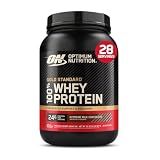
Optimum Nutrition Gold Standard Whey Protein, Extreme Milk Chocolate, 2 LB
- 24G FAST-ABSORBING WHEY PROTEIN FOR MUSCLE GROWTH & MAINTENANCE.
- LOW SUGAR, LOW CARB, PERFECT FOR LEAN MUSCLE & WEIGHT GOALS.
- TRUSTED BRAND WITH INSTANT MIXABILITY FOR QUICK RECOVERY SHAKES.
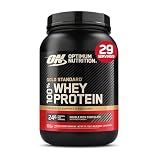
Optimum Nutrition Gold Standard Whey Protein, Double Rich Chocolate, 2 LB
-
24G FAST-ABSORBING WHEY PROTEIN PER SCOOP FOR MUSCLE GROWTH.
-
5.5G BCAAS + 11G EAAS FOR OPTIMAL POST-WORKOUT RECOVERY.
-
LOW SUGAR AND CARBS, PERFECT FOR LEAN MUSCLE AND WEIGHT GOALS.
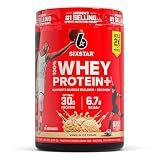
Six Star Whey Protein Powder Plus - Vanilla Cream, 1.8LB
-
BOOST PERFORMANCE WITH 30G PROTEIN & 6.7G BCAAS PER SERVING!
-
SUPPORTS IMMUNITY WITH DAILY VITAMIN C AND ZINC FOR ATHLETES!
-
DELICIOUS VANILLA CREAM FLAVOR TO FUEL YOUR VICTORIES ANYTIME!
In today's health-conscious world, protein powders are increasingly popular as dietary supplements. Parents often wonder if they can safely incorporate protein powders into their children's diets in 2026. This article provides insights into the use of protein powders for kids, looking at safety considerations and providing guidance on choosing the right product.
Understanding Protein Powders
Protein powders are concentrated sources of protein derived from animal or plant sources, such as dairy, eggs, rice, or peas. They are commonly used to aid muscle growth, repair tissues, and produce hormones and enzymes. For children, who are in a crucial stage of growth and development, adequate protein intake is essential.
Are Protein Powders Safe for Kids?
While protein is a vital component of a child's diet, parents should take caution when considering supplements. Generally, kids can get the necessary amount of protein from a balanced diet that includes meat, dairy, beans, and nuts. However, if a child's diet is deficient in protein due to dietary restrictions, allergies, or other reasons, protein powders may be considered under the guidance of a healthcare professional.
Choosing the Right Protein Powder
When selecting a protein powder for children, it's crucial to consider various factors to ensure safety and efficacy:
1. Check for Allergens
Protein powders can contain allergens that may affect children with sensitivities. Common allergens such as dairy, soy, and nuts might be present. Understanding common allergens in protein powders can help make a more informed choice.
2. Opt for Gluten-Free Options
For children with gluten intolerance or celiac disease, choosing a gluten-free protein powder is critical. Explore the best gluten-free protein powders to find suitable options that cater to such dietary needs.
3. Consider the Nutritional Profile
A protein powder should complement the child's diet without exceeding their nutritional needs. Ensure that the chosen product has an appropriate balance of protein, vitamins, and minerals.
4. Seek Professional Advice
Before introducing any supplement into a child’s diet, consulting a pediatrician or a dietitian is highly recommended. They can provide personalized advice based on the child's specific dietary needs and health conditions.
Alternatives to Protein Powders
While protein powders can be a convenient option, it is often beneficial to prioritize whole food sources. Eggs, chicken, fish, beans, and legumes are excellent protein sources that also provide other essential nutrients.
Conclusion
In 2025, parents remain concerned about their children's nutrition and growth. Protein powders can be a helpful supplement when used safely and appropriately. By understanding potential allergens, considering gluten-free options, paying attention to the nutritional profile, and seeking professional guidance, parents can make informed decisions about incorporating protein powders into their children's diets. For more about improving health with supplements, check out glutamine powder for health 2025.
This content is written in Markdown format, with hyperlinks included as requested. If you have any further questions or need additional adjustments, feel free to ask!