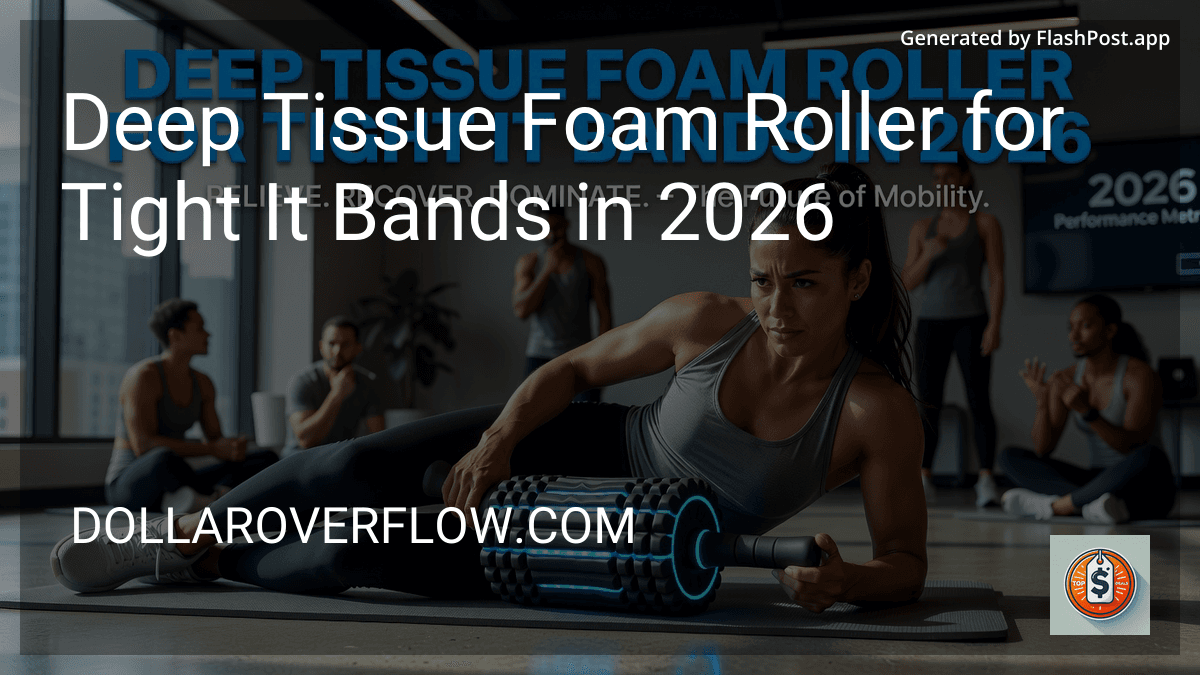
Best Deep Tissue Foam Rollers in September 2026
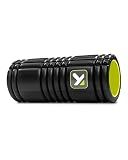
TriggerPoint Grid 1.0 Foam Roller - 13" Multi-Density Massage Roller for Deep Tissue & Muscle Recovery - Relieves Tight, Sore Muscles & Kinks, Improves Mobility & Circulation - Targets Key Body Parts
- ENHANCE RECOVERY WITH 3D GRID FOR BETTER BLOOD FLOW AND OXYGENATION.
- ENJOY TARGETED MUSCLE RELIEF WITH PERSONALIZED ROLLING FOR OPTIMAL COMFORT.
- DURABLE DESIGN WITHSTANDS FREQUENT USE FOR LONG-LASTING MUSCLE RECOVERY.


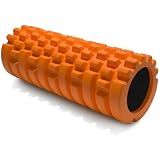
321 Strong Foam Roller - Medium Density Deep Tissue Massager for Muscle Massage and Myofascial Trigger Point Release, with 4K eBook - Orange
- TARGETED RELIEF WITH PATENTED ZONES FOR CUSTOMIZED MUSCLE THERAPY.
- DURABLE, LIGHTWEIGHT FOAM SUPPORTS 300 LBS; WIPES CLEAN EASILY.
- FREE EBOOK GUIDE FOR OPTIMIZED FOAM ROLLING AND STRETCHING!
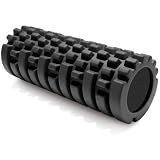
321 STRONG Foam Roller - Medium Density Deep Tissue Massager for Muscle Massage and Myofascial Trigger Point Release , with 4K eBook - Black
-
PATENTED DESIGN: UNIQUE TEXTURE TARGETS MUSCLE TIGHTNESS EFFECTIVELY.
-
THREE MASSAGE ZONES: CUSTOMIZE YOUR RELIEF WITH TARGETED PRESSURE.
-
DURABLE & LIGHTWEIGHT: EASY TO USE ANYWHERE, SUPPORTS UP TO 300 LBS.
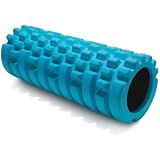
321 Strong Foam Roller - Medium Density Deep Tissue Massager for Muscle Massage and Myofascial Trigger Point Release, with 4K eBook - Aqua
- PATENTED TEXTURE DESIGN: UNIQUE PROJECTIONS RELIEVE MUSCLE TIGHTNESS.
- THREE MASSAGE ZONES: CUSTOMIZABLE INTENSITY TARGETS SPECIFIC MUSCLE GROUPS.
- LIGHTWEIGHT & DURABLE: SUPPORTS 300 LBS; EASY TO CLEAN AND TRANSPORT.
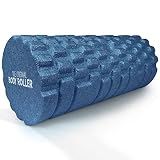
The Original Body Roller - High Density Foam Roller Massager for Deep Tissue Massage of The Back and Leg Muscles - Self Myofascial Release of Painful Trigger Point Muscle Adhesions - 13" Blue
- TRIPLE MASSAGE ZONES REPLICATE HANDS FOR DEEP TISSUE RELIEF.
- PORTABLE SIZES AVAILABLE FOR EVERY RECOVERY AND WORKOUT NEED.
- ENHANCE PERFORMANCE AND FLEXIBILITY WITH PHYSICAL THERAPY QUALITY.
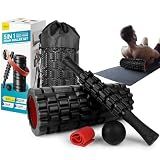
Krightlink 5-in-1 Foam Roller Set High Density Deep Tissue Muscle Massage
- INSTANT MUSCLE RELIEF FOR FASTER RECOVERY AND IMPROVED FLEXIBILITY.
- VERSATILE KIT TARGETS ALL FITNESS LEVELS AND MUSCLE GROUPS EFFECTIVELY.
- PREMIUM, PORTABLE DESIGN - PERFECT FOR ON-THE-GO RECOVERY ANYWHERE!
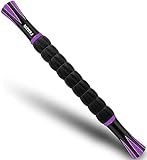
MZDXJ Muscle Roller Massage Roller Stick- Deep Tissue Fascia Blaster for Myofascial Pain Relief, Lymphatic Drainage & Body Sculpting, Handheld Physical Therapy & Recovery Tool (Purple Black-18 inch)
- REACH DEEP TRIGGER POINTS TO RELIEVE MUSCLE TENSION AND PAIN FAST!
- ADVANCED FASCIA CARE PROMOTES ELASTICITY AND EASES BODY STIFFNESS.
- EXPERT-RECOMMENDED FOR CELLULITE; ENHANCES SKIN SMOOTHNESS AND FIRMNESS.
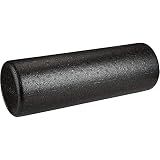
Amazon Basics High-Density Foam Roller for Exercise and Recovery, 18 Inches, Black
- FIRM, DURABLE DESIGN KEEPS SHAPE FOR EFFECTIVE WORKOUTS.
- LIGHTWEIGHT & PORTABLE FOR EASY USE AT HOME OR CLASS.
- EASY TO CLEAN, ENSURING HASSLE-FREE MAINTENANCE AFTER WORKOUTS.
Deep Tissue Foam Roller for Tight It Bands in 2026 isn’t just another fitness gadget phrase people type into Google-it’s the solution a lot of runners, lifters, cyclists, and desk workers are actively hunting for because the outside of the thigh can get brutally tight.
If your IT band area feels ropey, sore, or painfully stiff after workouts, long walks, or even sitting too much, you’re not alone. I’ve used foam rollers for years after leg days, training blocks, and long stretches of hip tightness, and I can tell you this: the wrong roller can make you quit after one session, while the right one can actually help you stay consistent.
That’s why this matters now. Below, you’ll learn how a Deep Tissue Foam Roller for Tight It Bands in 2026 should feel, what features actually matter, how to use one without making your lateral thigh angrier, and how to choose a roller that supports recovery instead of becoming closet clutter.
Why a Deep Tissue Foam Roller for Tight It Bands in 2026 Still Matters
The IT band itself is a thick band of fascia that runs along the outside of your thigh, from the hip down toward the knee. Most people say their “IT band is tight,” but what they often feel is tension in the surrounding tissue-especially the tensor fasciae latae (TFL), glutes, vastus lateralis, and outer quad.
That distinction matters.
A Deep Tissue Foam Roller for Tight It Bands in 2026 can help reduce that stubborn outer-leg tension, improve tissue mobility, and make your lower body feel less restricted. It’s not magic, and it’s not a replacement for strength work or proper movement mechanics, but it can absolutely be a useful part of your recovery routine.
I’ve found it works best when you stop trying to crush the IT band directly and instead use the roller strategically around the whole lateral chain. That’s usually the difference between “good hurt” and “why did I do this to myself?”
What to Look for in a Deep Tissue Foam Roller for Tight It Bands in 2026
Not all rollers are built for deep tissue work. Some are too soft and collapse under pressure. Others are so aggressive that they feel like medieval torture devices.
Here’s what actually matters.
1. High-density foam that doesn’t flatten
If you want real pressure for myofascial release, go for a roller with firm, high-density construction. A roller that compresses too much won’t deliver enough sustained pressure to the outer thigh, hip, and glute area.
2. A medium-to-firm surface texture
A lightly textured roller can help target tight fascia and trigger points more effectively than a completely smooth one. That said, overly spiky textures often feel too intense for IT band discomfort, especially if you’re new to self-massage tools.
3. Standard length for better control
A roller around full-body length gives you more stability, especially if you’re still learning proper positioning. Short rollers can work, but they demand more body control and can make side-lying work harder.
4. Durable core support
If you train regularly, durability matters. A quality Deep Tissue Foam Roller for Tight It Bands in 2026 should keep its shape after repeated use, not start denting within weeks.
5. Balanced pressure, not maximum pain
This is the mistake people make. They assume the hardest roller is automatically best for IT band pain relief, but if the pressure is too much, your muscles guard and tense up, which defeats the purpose.
6. Easy-clean exterior
You’ll use this on gym floors, yoga mats, carpet, and hardwood. A roller with a wipe-clean surface is a small detail that becomes very important over time.
7. Beginner-friendly progression
If you’re just starting, choose a roller that allows progression. A slightly less aggressive design used consistently beats an ultra-intense roller you avoid.
Benefits of Using a Deep Tissue Foam Roller for Tight It Bands in 2026
A good roller doesn’t just help you “feel sore in a productive way.” It should create outcomes you notice in real life.
Better movement before and after training
If your outer hips and thighs feel glued together, squats, lunges, climbs, and runs can all feel stiff. Rolling the lateral leg and hip region can help you move with less restriction during warm-ups and recovery sessions.
Reduced post-workout tightness
After hard lower-body sessions, the tissue around your hips, glutes, quads, and lateral thigh often gets dense and tender. A deep tissue roller helps restore some softness and tolerance, especially if you combine it with mobility work.
More comfortable running and walking
Many people exploring a Deep Tissue Foam Roller for Tight It Bands in 2026 are runners dealing with side-knee irritation or outer-thigh tightness. While foam rolling isn’t a cure-all, it can support recovery and improve comfort when paired with glute strengthening and load management.
Improved body awareness
This is underrated. Once you start rolling consistently, you notice where you’re actually tight-sometimes it’s not the IT band zone itself, but the upper outer hip or quad.
A practical, low-maintenance recovery habit
Unlike some recovery tools that need charging, attachments, or lots of setup, a foam roller is simple. If you’re comparing options, this breakdown of massage gun or foam roller benefits 2026 is helpful for understanding which tool fits your routine better.
How to Use a Deep Tissue Foam Roller for Tight It Bands in 2026 Without Overdoing It
This is where most people go wrong. They lie directly on the side of the thigh and grind aggressively for several minutes.
Don’t do that.
Instead, use a smarter sequence that targets the tissues influencing IT band tightness.
Start with the outer glute and TFL
Lie slightly angled toward your side rather than fully stacked on the IT band. Roll the upper outer hip slowly, pausing on tender spots for 20 to 30 seconds.
This area is often far more responsible for that “tight IT band” feeling than people realize.
Move to the lateral quad
Shift a little forward so the roller hits the outer quad. Use slow passes from just below the hip down toward the area above the knee, but avoid rolling directly on the side of the knee joint.
Keep your pressure at a 6 or 7 out of 10
Deep tissue doesn’t mean unbearable. You want enough pressure to feel tissue work, not so much that you hold your breath or brace your whole body.
Limit each area to 30 to 90 seconds
More is not better. In my experience, shorter, controlled sessions work better than marathon rolling sessions that leave the area bruised and irritated.
Breathe the whole time
If you stop breathing, you’re using too much pressure. Slow exhales help your muscles relax so the roller can actually do its job.
For a broader movement routine, this guide on how to use foam roller can help you build a safer full-body recovery session.
Common Mistakes People Make With a Deep Tissue Foam Roller for Tight It Bands in 2026
A few errors show up again and again.
Rolling directly on the most painful spot
Pain is not always the best target. Sometimes the tissue around the painful area needs attention more than the hotspot itself.
Using speed instead of control
Fast rolling looks active, but it usually isn’t effective. Slow passes give the fascia and muscle tissue time to respond.
Ignoring strength deficits
If your glutes and hip stabilizers are weak, the outer thigh often gets overloaded. Foam rolling helps, but it won’t fix the whole problem by itself.
Choosing the harshest roller right away
A very aggressive roller may seem appealing if you want “deep tissue,” but consistency beats intensity. If the tool makes you dread recovery, it’s the wrong tool.
Treating it like a cure
A Deep Tissue Foam Roller for Tight It Bands in 2026 is part of the plan, not the entire plan. It works best alongside mobility drills, walking, strength work, and intelligent training volume.
Deep Tissue Foam Roller for Tight It Bands in 2026: Smooth vs Textured vs Vibrating
This is one of the biggest buying questions.
Smooth rollers
Smooth rollers are best if you’re sensitive, new to foam rolling, or recovering from a flare-up. They offer broad pressure and are often easier to tolerate for outer thigh tightness.
Textured rollers
Textured rollers create more focused pressure. For many people, this makes them the sweet spot for a Deep Tissue Foam Roller for Tight It Bands in 2026 because they can target dense tissue without being too extreme.
Vibrating rollers
These can feel great, especially if you’re dealing with overall muscle soreness and guarding. They may help you relax into the pressure more easily, though they’re not automatically better than a well-made standard roller.
💡 Did you know: If your outer thigh is too tender for direct pressure, rolling your glutes, adductors, and hip flexors first often makes the IT band region feel noticeably less angry within minutes.
Expert Recommendations for Choosing the Right Roller
You don’t need dozens of features. You need the right fit for your body and tolerance.
Choose based on your pain tolerance and experience
Beginners should usually start with a firm but not extreme roller. Experienced athletes who already tolerate deep tissue work may prefer something denser and more textured.
Match the roller to your training style
If you run, cycle, lift, or play field sports, your recovery demands are different. This roundup of foam rollers for athletes 2026 gives useful context if your training volume is high.
Think about where you’ll use it
At home, a larger roller is usually best. For gym bags or travel, compact options make sense, but they can be less forgiving on the IT band area.
Don’t buy based on hype alone
Plenty of rollers promise “deep tissue” and “sports recovery.” Compare construction, firmness, shape stability, and intended use before you decide. If you’re still narrowing options, these guides to foam rollers 2026 and the best foam rollers can help you evaluate the field intelligently.
Pro tip: If your goal is IT band relief, prioritize controlled pressure and repeat use over the most intense design. The best roller is the one you’ll actually use 3 to 5 times a week.
How to Get Started With a Deep Tissue Foam Roller for Tight It Bands in 2026
Keep it simple. You do not need a complicated 30-minute protocol.
A beginner-friendly weekly plan
Use your roller 3 to 5 times per week for short sessions:
- 30-60 seconds on the outer glute/TFL
- 30-60 seconds on the lateral quad
- 30-60 seconds on the glutes
- 30-60 seconds on the hip flexor area
- Follow with glute bridges, clamshells, or side steps
This whole routine can take under 10 minutes.
Best times to roll
Try foam rolling:
- Before lower-body training as part of a warm-up
- After workouts to reduce stiffness
- On rest days for light recovery
- After long periods of sitting or travel
Signs it’s working
Look for:
- Less stiffness when you stand up
- Easier squats or lunges
- Reduced outer thigh tenderness
- More comfortable walking or running
- Better hip mobility over time
Signs to back off
Stop or reduce intensity if you notice:
- Sharp pain
- Lingering soreness for more than a day
- Bruising
- Increased knee irritation
- Tingling or numbness
If your symptoms are persistent or severe, it’s smart to get assessed by a qualified physical therapist or sports medicine professional.
Is a Deep Tissue Foam Roller for Tight It Bands in 2026 Worth It?
For a lot of people, yes-if you use it correctly.
A Deep Tissue Foam Roller for Tight It Bands in 2026 can be a smart buy if you regularly deal with tight hips, outer quad stiffness, running-related lateral leg tension, or post-workout soreness. The value isn’t in owning the tool; it’s in building a repeatable recovery habit that helps you move and train better.
If you’re ready to do something about that nagging outer-thigh tightness, start with a firm, durable roller that matches your tolerance, use it for short sessions, and pair it with hip and glute strengthening. That’s the move. Your legs will feel the difference fast.
Frequently Asked Questions
what kind of foam roller is best for tight IT bands?
A firm or medium-firm foam roller with controlled texture is usually best for tight IT band-related areas. It should provide enough pressure for deep tissue work without being so aggressive that you tense up or avoid using it.
should you roll directly on your IT band?
Usually, not aggressively. Most people get better results by focusing on the outer glutes, TFL, and lateral quad, since those tissues often contribute more to the feeling of IT band tightness.
how often should I use a deep tissue foam roller for tight it bands?
For most people, 3 to 5 times per week is a good starting point. Short, consistent sessions tend to work better than occasional long, painful sessions.
is a deep tissue foam roller worth buying in 2026?
Yes, if you want a simple recovery tool that supports mobility, muscle recovery, and lower-body comfort. It’s especially useful if you run, lift, cycle, or spend long hours sitting and deal with recurring outer thigh tightness.
can foam rolling fix IT band syndrome on its own?
No, foam rolling alone usually isn’t enough. It can help reduce tension and improve comfort, but long-term improvement often requires strength work, movement changes, and smarter training load management.