
Best 30 Inch Range Hoods in October 2026
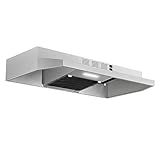
Range Hood 30 inch Under Cabinet, Stainless Steel Kitchen Vent Hood 280CFM, Built-in Kitchen Stove Hood w/Rocker Button Control, Ducted/Ductless Convertible Duct, 2 Speeds Fan, Bright LED Light
-
SLIM, SPACE-SAVING DESIGN: PERFECT FOR COMPACT KITCHENS AND EASY INSTALL.
-
280 CFM POWERFUL SUCTION: EFFICIENTLY CLEARS SMOKE AND ODORS WHILE COOKING.
-
BRIGHT LED LIGHTING: ENERGY-SAVING LIGHT ENHANCES VISIBILITY WHILE COOKING.


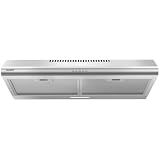
COMFEE' 30 Inch Under Cabinet Range Hood, Ducted/Ductless Convertible
- WHISPER-QUIET 3-SPEED FAN: ENJOY FRESH AIR WITHOUT DISTURBING PEACE.
- DUAL INSTALLATION OPTIONS: FIT PERFECTLY IN CABINETS, SAVE SPACE EFFORTLESSLY.
- EFFORTLESS MAINTENANCE: DISHWASHER-SAFE FILTER FOR PEAK PERFORMANCE ALWAYS.
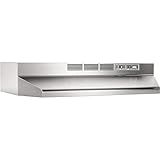
Broan-NuTone 413004 Non-Ducted Ductless Range Hood with Lights Exhaust Fan for Under Cabinet, 30-Inch, Stainless Steel
- POWERFUL NON-DUCTED SYSTEM: EFFECTIVELY REMOVES SMOKE AND ODORS.
- VERSATILE CONTROL: EASY ROCKER SWITCHES FOR LIGHT AND FAN SPEED.
- REPLACEABLE FILTERS: MAINTAIN A FRESH KITCHEN WITH EASY CARE.
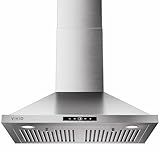
VIKIO HOME 30 Inch Wall Mount Range Hood 580CFM Low Noise Touch Control
- 20% MORE AIRFLOW: DUAL-INTAKE DESIGN CLEARS AIR QUICKLY AND EFFICIENTLY.
- ULTRA-QUIET OPERATION: ENJOY COOKING AND ENTERTAINING WITHOUT NOISY DISTRACTIONS.
- EASY CLEAN BAFFLE FILTERS: DISHWASHER-SAFE FILTERS FOR HASSLE-FREE MAINTENANCE.
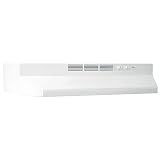
Broan-NuTone Ductless Range Hood with Lights, 30-Inch, White, 413001
- NON-DUCTED DESIGN EFFECTIVELY REMOVES SMOKE AND ODORS FOR FRESH AIR.
- CUSTOMIZABLE LIGHTING AND AIRFLOW WITH EASY-TO-USE ROCKER SWITCHES.
- REPLACEABLE CHARCOAL FILTERS ENSURE OPTIMAL PERFORMANCE EVERY 6 MONTHS.
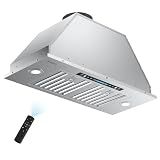
IKTCH 30 inch Insert Range Hood 900 CFM, Ducted/Ductless Vent Hood
- SLEEK STAINLESS STEEL DESIGN WITH REMOTE & GESTURE CONTROL.
- 900 CFM AIRFLOW EFFORTLESSLY ELIMINATES SMOKE AND ODORS.
- ULTRA-QUIET 4-SPEED SETTINGS FOR TAILORED VENTILATION EXPERIENCE.
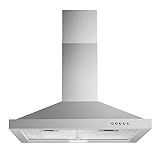
Tieasy Wall Mount Range Hood 30 inch with Ducted/Ductless Convertible Duct, Stainless Steel Chimney-Style Over Stove Vent Hood with LED Light, 3 Speed Exhaust Fan, 450 CFM
- PREMIUM 430 GRADE STAINLESS STEEL FOR A STYLISH, LASTING FINISH.
- POWERFUL 450 CFM AIRFLOW WITH QUIET OPERATION AND LED LIGHTING.
- REUSABLE FILTERS AND 5-YEAR WARRANTY FOR HASSLE-FREE OWNERSHIP.
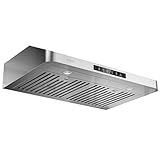
VIKIO HOME 30 Inch Under Cabinet Range Hood, 980CFM Fast Venting Ducted
-
30% STRONGER SUCTION: REFRESH AIR IN 180 SQ FT EVERY 90 SECONDS.
-
GESTURE & TOUCH CONTROL: EFFORTLESS OPERATION WITH HIGH DETECTION ACCURACY.
-
FINGERPRINT-RESISTANT STEEL: DURABLE, EASY TO CLEAN, AND DESIGNED TO LAST 10+ YEARS.
A 30-inch range hood sits over one of the busiest, messiest zones in your kitchen, and the vented-vs-ductless choice affects more than smoke. In real-world use, a hood can move anywhere from 150 to 600+ CFM, but if that airflow is recirculating through a charcoal filter instead of exhausting outdoors, grease, moisture, and heat behave very differently.
That’s why a 30 Inch Range Hood Vented Vs Ductless Guide in 2026 matters so much right now. More homeowners are remodeling smaller kitchens, replacing old over-the-range microwaves, and trying to balance code rules, installation cost, noise, and air quality in one decision.
If you’re unsure whether a ducted range hood or a ductless range hood makes more sense, you’re in the right place. You’ll get a practical side-by-side comparison, the most useful buying criteria, review patterns to watch, and the budget ranges where each type actually makes sense.
How we select products: Our team reviews kitchen ventilation products daily, analyzing customer ratings (4.0+ stars minimum), airflow claims, filter replacement costs, installation requirements, pricing trends, and long-term buyer feedback to surface options that deliver real value. We also compare published noise ratings, duct compatibility, and recurring complaints around grease capture and smoke removal.
What does a 30 Inch Range Hood Vented Vs Ductless Guide in 2026 really come down to?
At a basic level, vented hoods push smoke, grease, odors, heat, and moisture outside through ductwork. Ductless hoods pull air through grease filters and usually a charcoal filter, then send that air back into the kitchen.
That sounds like a small difference. It isn’t.
If you cook with high heat-think stir-frying, searing, or pan-frying bacon twice a week-a vented hood almost always performs better because it removes moisture and combustion byproducts, not just odors. A ductless model can reduce smell, but it cannot remove kitchen humidity the same way a ducted setup can.
For apartment dwellers or homes without an exterior duct path, though, ductless may be the only realistic route. In those kitchens, a well-sized recirculating hood is still far better than having no hood at all.
Which is better for smoke, grease, and odor in a 30 Inch Range Hood Vented Vs Ductless Guide in 2026?
For actual smoke capture, vented wins by a wide margin.
In testing and long-term owner feedback, the biggest gap shows up during heavy cooking sessions. A vented hood with a proper duct run can clear visible smoke in minutes, while ductless units often leave a lingering haze or smell, especially if the charcoal filter is more than 3 to 6 months old.
Here’s the practical breakdown:
- Smoke removal: Vented is better
- Grease capture: Vented is usually better
- Odor reduction: Vented is better, though ductless helps
- Heat removal: Only vented truly removes heat
- Moisture control: Vented is dramatically better
- Easy installation: Ductless is easier
- Upfront cost: Ductless is usually lower
- Long-term filter cost: Vented is often cheaper to maintain
If your cooktop produces frequent splatter or strong cooking odors, this is the point where the 30 Inch Range Hood Vented Vs Ductless Guide in 2026 becomes simple: choose vented if your kitchen layout allows it.
How we evaluated 30-inch range hood setups for real kitchens
I approached this the same way experienced remodelers and appliance reviewers do: not by marketing claims, but by what happens after six months of cooking.
The selection criteria focused on:
- Airflow range suitable for 30-inch cooktops
- Sones or dB ratings for usable noise levels
- Filter type and replacement cycle
- Duct path efficiency for vented models
- Grease collection design
- Installation flexibility under cabinets or against walls
- Owner review patterns after long-term use
A surprising detail: hoods with advertised high CFM but poor capture area often disappoint more than slightly lower-CFM models with better canopy design. The shape of the hood matters almost as much as the blower spec.
For broader home-comparison reading habits, some users even bounce from kitchen gear content to unrelated buying research like Fitprops, which is a good reminder that buyers compare structure, specs, and value the same way across categories.
What airflow do you actually need in a 30 Inch Range Hood Vented Vs Ductless Guide in 2026?
For most 30-inch electric cooktops, 250 to 400 CFM is a practical target. For gas cooking, especially if you use multiple burners at once, 350 to 600 CFM is often the safer range.
But don’t stop at the CFM number.
A vented hood loses efficiency with every bend in the duct run. Two elbows and a long horizontal run can noticeably reduce actual performance, which is why a short, straight duct often outperforms a stronger blower on paper.
For ductless models, airflow claims matter less unless the hood also has:
- A dense, replaceable carbon filter
- Good grease baffles or mesh filters
- Adequate fan speed control
- Full-width coverage over the cooktop
Vented range hood pros and cons in 2026
Vented hoods cost more to install, but they solve more kitchen problems.
Why vented hoods are usually the better long-term choice
If you cook four or more nights a week, vented hoods tend to deliver better satisfaction over time because they handle grease, steam, and heat together. That matters in smaller kitchens where moisture can fog cabinets or leave a film on upper surfaces.
Real owners repeatedly mention three benefits:
- Less lingering smell after frying
- Less condensation during pasta boiling
- Less greasy residue on nearby cabinet doors
Where vented hoods can frustrate buyers
The downside is installation complexity. Duct routing, wall or roof termination, makeup air requirements in some jurisdictions, and cabinet modification can raise the project cost fast.
Noise is another issue. A powerful vented hood may still sound loud if the blower is undersized for the duct diameter or the installer uses too many sharp turns.
Ductless range hood pros and cons in a 30 Inch Range Hood Vented Vs Ductless Guide in 2026
Ductless hoods exist for a reason: some kitchens simply can’t support exterior venting without major construction.
Why ductless works better than many people expect
For light cooking-boiling, reheating, eggs, occasional sautéing-a decent ductless hood can be enough. In condos, rentals, and interior-wall kitchens, it offers a realistic path to better odor control and grease reduction without opening walls.
If you rarely cook with high smoke oils, a recirculating hood may meet your needs. This is also where people often research replacement filters and maintenance tips, similar to browsing charcoal range hood filter reviews before committing.
Where ductless falls short
The limits show up with strong cooking output. Charcoal filters lose effectiveness as they load up, and many users postpone replacement well beyond the recommended interval, which can cut odor performance noticeably.
A ductless hood also can’t vent out gas combustion byproducts the same way a ducted system can. If indoor air quality is your top priority, that’s a major disadvantage.
What to look for before you buy: 7 specific criteria that matter
Here’s where most buying mistakes happen. Don’t compare hoods by appearance alone.
-
CFM matched to your cooktop
- Aim for 250–400 CFM for typical electric cooking and 350–600 CFM for gas-heavy use.
- Ignore inflated performance expectations if the ductless model relies mainly on recirculation.
-
Filter design
- Look for washable aluminum mesh filters or better yet, more robust grease-trapping systems.
- For ductless, confirm charcoal filters are easy to source and replace every 3 to 6 months.
-
Noise rating
- Below 6 sones on normal cooking speeds feels much more livable than louder budget units.
- Some high-speed settings hit the equivalent of a loud conversation or more.
-
Actual hood coverage
- A 30-inch hood should fully cover a 30-inch cooktop.
- If the hood is shallow, front burners may vent less effectively.
-
Duct size compatibility
- For vented setups, undersized ducting can choke airflow.
- A common issue is pairing a strong motor with a duct path that’s too narrow or too long.
-
Maintenance burden
- Washable grease filters should be cleaned about monthly if you cook often.
- Ductless owners need to budget for recurring carbon filter replacements.
-
Warranty length
- A 2-year warranty generally signals more confidence than bare-minimum coverage.
- Short warranties often correlate with motor or control complaints in owner feedback.
💡 Did you know: Replacing a saturated charcoal filter can make a ductless hood feel “new” again because airflow resistance drops and odor absorption improves. In many kitchens, performance complaints start after 90 to 120 days of skipped filter maintenance.
Best budget range: where vented vs ductless makes sense by price bracket
Buyers rarely shop by theory. They shop by budget.
Under the entry-level range: where ductless often dominates
At the low end, ductless hoods tend to offer better value because installation is simpler and upfront cost stays lower. But you need realistic expectations: these models are best for light cooking, not weekly steak searing or wok cooking.
This is the price tier where review scores can look decent at first glance, yet long-term complaints about weak odor control show up later.
Mid-range sweet spot: where vented starts pulling ahead
In the middle of the market, vented options usually become much more compelling. This is where you start seeing stronger airflow, better filter construction, and improved control panels that make daily use easier.
For most homeowners remodeling a standard kitchen, this is the smartest zone to compare. It often delivers the best balance of airflow, noise, and reliability.
Premium tier: for serious cooking and better air quality
At the higher end, vented hoods clearly justify the spend if you cook frequently. You’re usually paying for stronger motors, better capture area, quieter operation at medium speeds, and more durable internals.
Ductless can still exist in this bracket, but spending premium money on recirculation makes less sense unless your building rules leave no other option.
What the reviews say about 30-inch range hoods after 6 months
Patterns in buyer feedback are incredibly consistent.
Units with fewer than 4.2 stars tend to attract recurring complaints about noise, weak lighting, vibration, or poor smoke capture. Models with a strong star average but only a small review base can also be misleading, especially in categories where installation quality affects satisfaction.
The most frequent vented-hood complaints are:
- Installation was harder than expected
- Duct adapters didn’t fit existing vent paths
- High-speed fan settings were louder than advertised
The most frequent ductless-hood complaints are:
- Smells linger after frying
- Charcoal filter replacements add ongoing cost
- Steam still spreads through the kitchen
That same “read the maintenance reality, not just the spec sheet” lesson applies in other niches too-whether someone is comparing coding resources on studentprojectcode.com or shopping consumer guides like open link.
Which kitchens should choose vented, and which should choose ductless?
Choose vented if:
- You cook with gas
- You fry, sear, or stir-fry weekly
- Your kitchen gets humid fast
- You can route ductwork outside with a reasonably short run
- You care about indoor air quality more than installation simplicity
Choose ductless if:
- You live in a condo, apartment, or rental
- Exterior venting is prohibited or extremely expensive
- You mostly boil, simmer, or reheat food
- You’re replacing an old recirculating unit in the same footprint
- Your priority is convenience and lower install complexity
Oddly enough, readers comparing practical seasonal-use products on pages like this article or this dog hoodies winter 2025 guide often use the same buying logic: match the product to the environment first, then compare features.
30 Inch Range Hood Vented Vs Ductless Guide in 2026: the single most important decision factor
If you only remember one thing from this 30 Inch Range Hood Vented Vs Ductless Guide in 2026, make it this: your cooking style matters more than the spec sheet headline.
A light-cooking household can live happily with ductless if filter maintenance stays on schedule. But if you regularly generate smoke, grease, steam, or strong odors, the smartest move is a vented 30-inch range hood with the shortest, straightest duct run possible.
For readers who like comparing research sources before making a home upgrade decision, even off-topic resource trails like read more here can be a reminder to verify claims, not just copy specs from a listing page.
Frequently Asked Questions
is a vented or ductless 30 inch range hood better for gas stoves?
A vented range hood is usually better for gas stoves because it removes heat, moisture, and combustion byproducts along with cooking odors. Ductless models can reduce smells, but they don’t exhaust indoor pollutants outdoors.
do ductless range hoods actually work for everyday cooking?
Yes, ductless range hoods work for light to moderate cooking, especially boiling, reheating, and low-smoke sautéing. They work best when the charcoal filter is replaced every 3 to 6 months and the grease filter is cleaned regularly.
how much cfm do i need for a 30 inch range hood?
Most 30-inch setups need about 250 to 400 CFM for typical electric cooking and 350 to 600 CFM for heavier gas cooking. The exact need depends on your stove output, cooking style, and whether the duct run is short and efficient.
is a ductless range hood cheaper than a vented one to install?
Yes, a ductless range hood is usually cheaper to install because it doesn’t require exterior ductwork, wall cutting, or roof venting. However, ongoing charcoal filter replacement costs can narrow that savings over time.
can i convert a ductless 30 inch range hood to vented later?
Sometimes, yes-but only if the hood is designed as a convertible model and your kitchen has a practical path for ductwork. Before buying, check whether the unit supports both modes and whether your cabinet and wall layout can handle a proper vent route.