
Best Ergonomic Office Chairs to Buy in September 2026
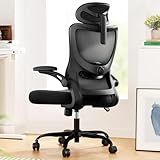
Marsail Ergonomic Office Chair: Office Desk Chair with High Back Mesh and Adjustable Lumbar Support Rolling Work Swivel Task Chairs with Wheel 3D Armrests and Headrest
-
CUSTOMIZABLE COMFORT: 2D HEADREST AND 3D ARMRESTS FOR PERFECT FIT.
-
ULTIMATE LUMBAR SUPPORT: TAILORED ADJUSTMENT FOR IMPROVED POSTURE.
-
BREATHABLE DESIGN: MESH BACKREST KEEPS YOU COOL DURING LONG HOURS.


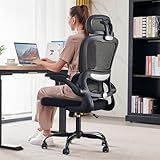
TRALT Office Chair Ergonomic Desk Chair, 330 LBS Home Mesh Office Desk Chairs with Wheels, Comfortable Gaming Chair, High Back Office Chair for Long Hours (Black)
-
ERGONOMIC DESIGN: CONTOURS TO LUMBAR SPINE FOR TAILORED BACK SUPPORT.
-
ROBUST FRAME: SGS-CERTIFIED WITH 330 LB CAPACITY FOR UNMATCHED STABILITY.
-
EFFORTLESS MOBILITY: 360° SWIVEL AND SILENT CASTERS FOR SMOOTH MOVEMENT.
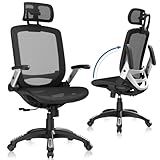
GABRYLLY Ergonomic Office Chair, High Back Home Desk Chair with Headrest, Flip-Up Arms, 90-120° Tilt Lock and Wide Cushion, Big and Tall Mesh Chairs for Man Woman, Black Task Chair
- ERGONOMIC DESIGN SUPPORTS 4 BODY POINTS FOR ULTIMATE COMFORT.
- ADJUSTABLE FLIP-UP ARMS SAVE SPACE WHILE ENHANCING VERSATILITY.
- BREATHABLE MESH KEEPS YOU COOL DURING LONG HOURS OF SITTING.
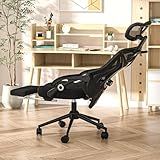
Ergonomic Office Chair with Footrest - Adjustable Lumbar Support & Headrest, 90-160° Reclining Mesh Back Computer Chair - Home Office/Gaming, 350lbs Capacity (SGS Certified)
- TRANSFORM WORK INTO PLAY WITH A CHAIR THAT ADAPTS TO YOU.
- ENJOY ALL-DAY COMFORT WITH PRECISE ADJUSTMENTS FOR EVERY BODY TYPE.
- SGS-CERTIFIED QUALITY ENSURES LASTING STABILITY AND DURABILITY.
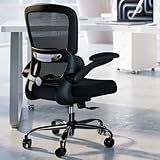
TRALT Office Chair - Ergonomic Desk Chair with Adjustable Lumbar Support, Mesh Computer Chair, Executive Chairs for Home Office Comfortable Lumbar Support (Black)
- UNMATCHED ERGONOMIC SUPPORT FOR HEAD, BACK, HIPS, AND ARMS.
- DURABLE 330 LBS CAPACITY WITH STURDY 5-POINT METAL BASE.
- EFFORTLESS ASSEMBLY IN 15 MINUTES-TOOLS INCLUDED!
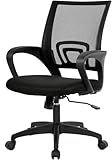
BestOffice | Ergonomic Office Chair | Mid-Back Swivel Desk Chair | Breathable Backrest & Lumbar Support | Adjustable Height | Sponge Seat | Rolling Wheels | Dark Black | for Adults & Women
- STAY COOL WITH A BREATHABLE MESH BACK FOR ALL-DAY COMFORT.
- EXPERIENCE ERGONOMIC SUPPORT TO REDUCE FATIGUE DURING LONG HOURS.
- CUSTOMIZE HEIGHT AND ARMRESTS FOR THE PERFECT FIT IN ANY SPACE.
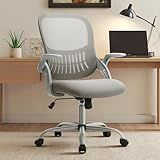
Sweetcrispy Home Office Managerial Executive Chair, Ergonomic Mesh Adjustable Swivel Mid-Back Chair with, Flip-up Arms, Comfortable Lumbar Support, Comfy Arms for Bedroom,Study,Student, Grey
-
ERGONOMIC DESIGN: PROMOTES HEALTHY POSTURE WITH LUMBAR SUPPORT.
-
BREATHABLE COMFORT: MESH BACK AND SPONGE SEAT ENSURE ALL-DAY COMFORT.
-
SPACE-SAVING FEATURES: FLIP-UP ARMRESTS MAXIMIZE WORKSPACE EFFICIENCY.
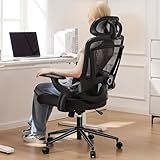
Sweetcrispy Office Chair Ergonomic Desk Chair, 300 LBS Home Mesh Office Desk Chairs with Wheels, 2D Headrest, Up&Down Lumbar Support, Swivel High Back Computer Chair with Flip-up Armrests,Dark Black
-
CUSTOM COMFORT: ADJUSTABLE HEADREST AND LUMBAR SUPPORT FOR PERSONALIZED RELIEF.
-
BREATHABLE DESIGN: UNIQUE MESH KEEPS YOU COOL FOR ALL-DAY SITTING COMFORT.
-
EASY MANEUVERABILITY: SMOOTH CASTERS GLIDE EFFORTLESSLY ACROSS ANY SURFACE.
Ergonomic office chairs are designed to support the body, promote good posture, and reduce strain on muscles and joints, which can help alleviate back pain. These chairs typically offer adjustable features such as seat height, lumbar support, armrests, and backrests to cater to the individual needs of users. By providing proper support to the lower back and maintaining the natural curve of the spine, ergonomic chairs can prevent slouching and reduce pressure on the spine. This can lead to a decrease in discomfort and pain, especially for individuals who spend extended periods sitting at a desk. While ergonomic chairs can be beneficial, it is also important to incorporate regular breaks, stretching, and good ergonomic practices in the workspace to enhance their effectiveness.
How to set up a home office ergonomically?
Setting up a home office ergonomically involves arranging your workspace in a way that promotes comfort, efficiency, and health. Here are key considerations and tips to help you create an ergonomic home office:
- Chair: Choose a chair with adjustable height, backrest, and armrests. Ensure lower back support with a lumbar cushion or built-in lumbar adjustment. Sit so your feet are flat on the floor or on a footrest, and your knees are at hip level or slightly lower.
- Desk: Set the desk height so your arms are at a 90-degree angle when typing. A height-adjustable desk can be beneficial for alternating between sitting and standing. Keep frequently used items within easy reach to reduce strain.
- Monitor: Position the monitor at eye level or slightly below, about an arm’s length away. Keep the top of the screen at or below eye level to prevent neck strain. Use a monitor stand or adjustable monitor arm if necessary.
- Keyboard and Mouse: Place the keyboard at a height where your arms remain parallel to the ground. Keep the mouse close to the keyboard to minimize reaching. Use a keyboard tray if your desk height isn't adjustable.
- Lighting: Ensure good ambient lighting to reduce glare and eye strain. Consider task lighting, like a desk lamp, for focused tasks. Position your screen to reduce glare from windows or lights.
- Organization: Maintain a clutter-free desk to improve focus and reduce stress. Use cable organizers to manage cords and keep the workspace tidy. Consider shelving or file cabinets to store documents and supplies neatly.
- Posture and Breaks: Sit with your back straight and shoulders relaxed. Make a conscious effort to stand and stretch every 30 minutes. Practice eye exercises, like the 20-20-20 rule: every 20 minutes, look at something 20 feet away for 20 seconds.
- Accessories: Consider using a headset for phone calls to prevent cradling the phone between your shoulder and ear. If needed, footrests can help maintain proper posture and circulation. Anti-fatigue mats might be useful if you have a standing desk.
- Personalization: Adjust the setup based on your specific needs and workspace constraints. Personalize your workspace for comfort, incorporating plants or personal items for a pleasant environment.
By focusing on these ergonomic principles, you can create a home office that enhances productivity and minimizes physical discomfort.
How to select an ergonomic chair for tall people?
Selecting an ergonomic chair for tall people involves considering several factors to ensure comfort and proper support. Here are some features and tips to keep in mind:
- Height Adjustability: Look for a chair with a high adjustability range. The seat height should ideally be adjustable beyond the standard to accommodate longer legs, allowing your feet to rest flat on the ground or on a footrest for proper posture.
- Seat Depth: Ensure the chair has an adjustable seat depth. Tall individuals will benefit from a deeper seat pan, which provides better support for the thighs. The ideal situation is where you can sit with your back against the chair's backrest and still have 2-3 inches space between the seat edge and the back of your knees.
- Backrest Height: A higher backrest will better support a taller individual. Consider chairs that have a backrest or headrest that can be adjusted to fit the curvature of your spine.
- Lumbar Support: Good lumbar support is crucial. Look for a chair with adjustable lumbar support so you can position it in a way that follows the natural curve of your lower back.
- Armrest Adjustability: Armrests should be adjustable in height and width. This feature will help you maintain your shoulders in a relaxed position, and accommodate your longer arms comfortably.
- Weight Capacity: Verify the weight capacity of the chair. Chairs that are designed for taller individuals often have a higher weight capacity.
- Seat Width: Look for a wider seat to ensure enough room for comfort without feeling confined.
- Headrest: A headrest that’s adjustable in height and angle can provide additional support for tall people, especially if you spend extended periods in the chair.
- Build Quality and Materials: Opt for chairs with high-quality materials that offer durability and good support. Mesh or fabric can offer breathability, while leather may feel more luxurious.
- Try Before Buying: If possible, test the chair before buying it. Sit in it for a while to assess comfort, support, and adjustability.
- Reviews and Recommendations: Read customer reviews, particularly from people with a similar height, to gauge how well the chair might meet your needs.
By focusing on these features, you can find a chair that not only accommodates your height but also promotes good posture and comfort during long periods of sitting.
How to adjust chair height for different tasks?
Adjusting your chair height for different tasks is crucial for maintaining ergonomic comfort and promoting good posture. Here are some general guidelines for adjusting chair height based on different activities:
General Guidelines for Adjusting Chair Height
- Desk Work (Typing/Writing): Arm Position: When sitting at your desk, ensure your elbows are at a 90-degree angle or slightly more open (100-110 degrees) while typing. Your wrists should be straight and at the same level as your keyboard. Feet Position: Keep your feet flat on the floor or on a footrest. Your knees should be at about a 90-degree angle. Seat Height: Adjust the chair height so that your thighs are parallel to the floor. You might need to adjust the desk height if possible or use a keyboard tray.
- Computer Use: Monitor Level: Your eyes should be in line with the top third of your screen. If you have to tilt your head up or down significantly, consider adjusting the screen height. Chair Height: Similar to desk work, ensure your elbows are comfortably at your side with your forearms parallel to the floor.
- Drawing or Crafting: Elbow Height: Your surface should be high enough that your elbows rest comfortably on it, but not so high that it causes shoulder strain. Chair Height: It may be beneficial to slightly lower your chair if your work surface is closer to you, ensuring you are balanced and not leaning forward excessively.
- Meeting or Conferencing: Relaxed Position: When adjusting your chair for meetings, ensure that your back is supported, and you can sit back comfortably. Height: You can lower the chair slightly for a more relaxed posture, but maintain a position where your feet are flat, and your knees are bent at a comfortable angle.
Additional Tips for Ergonomic Adjustment
- Lumbar Support: Ensure your chair has proper lumbar support. Adjust the chair’s backrest to fit the natural curve of your spine.
- Seat Depth: Allow for a few inches of space between the edge of your seat and the back of your knees. This helps with circulation and comfort.
- Frequent Adjustments: Regularly change your sitting position and make adjustments throughout the day. Human bodies are not meant to stay static, so occasional shifting can reduce strain.
- Footrests: If your feet don’t reach the floor, use a footrest to ensure proper leg support.
Considerations for Specialized Tasks
- Gaming: Adjust your chair for a slightly reclined position; this can reduce strain on your back and neck over prolonged periods.
- Reading Documents: You may need to lower your chair slightly or raise the documents using a stand to reduce neck strain from looking down constantly.
By regularly adjusting your chair for the task at hand, you can improve comfort and productivity while reducing the risk of injury or strain. Enjoy personalized comfort tailored to each specific activity by considering both your body and the workspace.