Best Document Scanners to Buy in October 2026
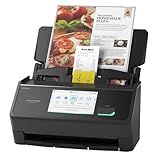
ScanSnap iX2500 Wireless or USB High-Speed Cloud Enabled Document, Photo & Receipt Scanner with Large 5" Touchscreen and 100 Page Auto Document Feeder for Mac or PC, Black
-
EFFORTLESS SCANNING WITH 45PPM SPEED & 100-SHEET FEEDER CAPACITY.
-
FAST, SECURE WI-FI 6 AND USB-C FOR SEAMLESS CONNECTIVITY OPTIONS.
-
SIMPLIFY FILE MANAGEMENT WITH AUTOMATIC OPTIMIZATION AND SORTING.


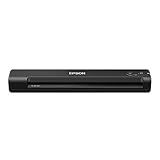
Epson WorkForce ES-50 Portable Sheet-Fed Document Scanner for PC and Mac
- FAST SCANS IN JUST 5.5 SECONDS FOR EFFICIENT DOCUMENT HANDLING!
- PORTABLE DESIGN: SCAN ON THE GO, ANYWHERE AND ANYTIME!
- CREATE SEARCHABLE PDFS & EDITABLE FILES EFFORTLESSLY WITH OCR!
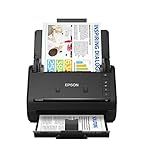
Epson Workforce ES-400 II Color Duplex Desktop Document Scanner for PC and Mac with Auto Doc Feeder (ADF), Image Adjustment Tools
- EFFORTLESS SCANNING WITH 50-SHEET FEEDER FOR FAST, LARGE JOBS.
- SAVE TIME WITH INTUITIVE SOFTWARE FOR EASY PREVIEWS AND SHARING.
- SEAMLESS INTEGRATION WITH TWAIN FOR SMOOTH DOCUMENT WORKFLOWS.
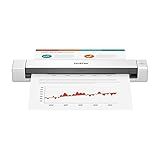
Brother DS-640 Compact Mobile Document Scanner, (Model: DS640) 1.5"x2"x11.9"
-
FAST SCANNING: 16 PPM FOR COLOR & B/W, SAVING TIME AND EFFORT.
-
COMPACT & LIGHTWEIGHT DESIGN FOR ULTIMATE PORTABILITY ON THE GO.
-
VERSATILE SCANNING WITH “SCAN-TO” OPTIONS FOR ANY WORKFLOW NEEDS.
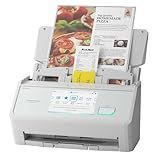
ScanSnap iX2500 Wireless or USB High-Speed Cloud Enabled Document, Photo & Receipt Scanner with Large 5" Touchscreen and 100 Page Auto Document Feeder for Mac or PC, White
-
FAST 45PPM SCANNING: BOOST PRODUCTIVITY WITH SPEEDY DOUBLE-SIDED SCANS.
-
CUSTOM PROFILES: STREAMLINED SHARING TO PCS, CLOUDS, AND DEVICES.
-
RELIABLE CONNECTIONS: WI-FI 6 ENSURES SECURE, HASSLE-FREE SCANNING.
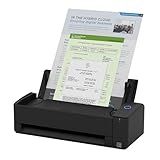
ScanSnap iX1300 Compact Wireless or USB Double-Sided Color Document, Photo & Receipt Scanner with Auto Document Feeder and Manual Feeder for Mac or PC, Black
-
SPACE-SAVING DESIGN: OPTIMIZES YOUR DESK WHILE IN USE-PERFECT FOR SMALL AREAS.
-
VERSATILE SCANNING: EASILY SCAN DOCUMENTS, PHOTOS, AND CARDS WITH A QUICK MENU.
-
USER-FRIENDLY: ONE-TOUCH SCANNING DELIVERS GREAT IMAGES-NO EXPERIENCE NEEDED!
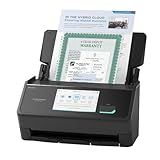
ScanSnap iX2500 Premium Wireless or USB High-Speed Cloud Enabled Document, Photo & Receipt Scanner with Large 5" Touchscreen for Mac or PC, Includes 4-Year Protection Plan
-
4-YEAR PROTECTION PLAN: ENJOY PEACE OF MIND AND UNINTERRUPTED PRODUCTIVITY.
-
FAST 45PPM SCANNING: EFFICIENT DOUBLE-SIDED SCANNING WITH WI-FI & USB.
-
CUSTOM PROFILES & QUICK MENU: PERSONALIZE SCANNING AND EASILY SHARE FILES.
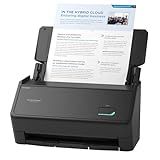
ScanSnap iX2400 High-Speed Simple One-Touch Button Color Document, Photo & Receipt Scanner with 100 Page Auto Document Feeder for Mac or PC, Black
-
ONE-TOUCH SCANNING: 45 PPM WITH 100-SHEET FEEDER FOR SPEED!
-
VERSATILE: EASILY SCANS BUSINESS CARDS, RECEIPTS, AND PHOTOS!
-
AUTOMATIC CLEANUP: DELIVERS CLEAN, ORGANIZED IMAGES EFFORTLESSLY!
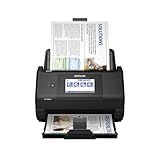
Epson Workforce ES-580W Wireless Color Duplex Desktop Document Scanner for PC and Mac with 100-sheet Auto Feeder (ADF), Intuitive 4.3' Touchscreen
-
EFFORTLESS WIRELESS SCANNING: SEND FILES DIRECTLY TO YOUR DEVICES!
-
FAST 100-SHEET FEEDER: SCAN MULTIPLE DOCUMENTS WITHOUT DELAYS.
-
NO COMPUTER NEEDED: SAVE SCANS TO USB OR POPULAR CLOUD SERVICES!
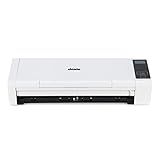
Doxie Pro DX400 - Duplex Document Scanner and Receipt Scanner For Home and Office With Amazing Software for Mac and PC
- HIGH-QUALITY SCANS OF ALL DOCUMENT TYPES IN SECONDS-FAST & EFFICIENT!
- CRISP TWO-SIDED SCANNING WITH SMART FEATURES FOR FLAWLESS RESULTS!
- COMPACT DESIGN FITS ANY WORKSPACE, WEIGHING JUST OVER 3 POUNDS!
A document scanner is a device used to convert physical documents, such as paper files and images, into digital formats. It captures the information on the paper and creates a digital image or PDF file, which can be stored, edited, or shared electronically. Document scanners come in various styles, including flatbed, sheet-fed, portable, and all-in-one models, each designed to handle different volumes and types of documents. They are commonly used in offices, libraries, and other settings where digitizing documents is necessary for efficient data management and archiving. Some advanced models offer additional features like optical character recognition (OCR) to convert scanned text into editable formats, automatic feeding for batch scanning, and network connectivity for easy sharing and cloud integration.
What is cloud scanning in document scanners?
Cloud scanning in document scanners refers to the process of scanning physical documents and then directly uploading the digital versions to a cloud-based storage service. This feature allows users to access, manage, and share the scanned documents from anywhere with an internet connection. Cloud scanning often involves integrating the scanner with popular cloud storage services such as Google Drive, Dropbox, OneDrive, or other proprietary cloud services provided by scanner manufacturers.
Key advantages of cloud scanning include:
- Accessibility: Scanned documents can be accessed from any device with internet connectivity, facilitating remote work and collaboration.
- Storage Management: By storing documents on the cloud, you can free up local storage space and organize files more efficiently.
- Security: Cloud services often provide robust security features, such as encryption and access control, to protect sensitive information.
- Backup and Disaster Recovery: Documents stored in the cloud are typically backed up and can be restored in the event of data loss.
- Collaboration: Cloud-stored documents can be easily shared with others, allowing for efficient collaboration on projects or tasks.
Overall, cloud scanning simplifies document management by integrating physical documents into digital workflows seamlessly.
How to set up a document scanner?
Setting up a document scanner can vary slightly depending on the make and model, but here are the general steps you can follow:
- Unbox the Scanner: Carefully unpack your scanner and ensure you have all necessary components, such as power cords, USB cables, installation CDs or manuals, and possibly a calibration sheet.
- Read the Manual: Review the user manual to familiarize yourself with your specific scanner model. It often contains detailed instructions tailored for your device.
- Install Software: CD-ROM: If your scanner came with a software CD, insert it into your computer's CD drive and follow the installation instructions. Download from Website: Alternatively, visit the manufacturer's website to download the latest drivers and software compatible with your operating system.
- Connect Scanner to Power: Plug the scanner into a power source using the provided power adapter.
- Connect Scanner to Computer: USB Connection: Most scanners connect via USB. Plug one end of the USB cable into the scanner and the other end into your computer. Wireless Connection: For wireless scanners, follow the manufacturer's instructions to connect the scanner to your Wi-Fi network. This often involves using a control panel on the scanner to select your Wi-Fi network and enter the password.
- Turn On the Scanner: Power on the scanner using the power button. Most scanners have lights to indicate they are ready for use.
- Run Software Setup: Open the scanner software installed on your computer. Follow any on-screen instructions to complete the setup, including registering your scanner or checking for software updates.
- Calibrate if Necessary: Some scanners require calibration using a provided calibration sheet. Follow the instructions in the software or manual to calibrate the scanner.
- Test the Scanner: Place a document on the scanner bed or in the document feeder. Use the scanning software to perform a test scan. Adjust settings as needed to ensure the output meets your requirements.
- Adjust Settings: Explore features such as resolution, color settings, and file format to tailor the scans to your needs.
- Set Default Scan Location: In the scanner software, configure where you want your scanned documents to be saved on your computer.
By following these steps, you should be able to set up and start using your document scanner successfully. Always refer to the specific instructions provided by your scanner's manufacturer for best results.
What is the scanning resolution, and why does it matter?
Scanning resolution refers to the level of detail that a scanner can capture from a physical document or image and translate into a digital form. It is typically measured in dots per inch (DPI) or pixels per inch (PPI). A higher DPI/PPI indicates a greater amount of detail captured, which generally results in a clearer and more detailed digital image.
Why Scanning Resolution Matters:
- Image Quality: Higher scanning resolution results in higher image quality. This is important if the digital image needs to be enlarged or printed, as a higher resolution will retain more detail and clarity.
- Usability: The required resolution can vary depending on the intended use of the scanned item. For example, scanning a document for archival purposes may require different resolution settings than scanning an image for web use, where file size might be a more significant concern.
- File Size: As scanning resolution increases, so does the file size. Higher resolutions generate larger files, which can require more storage space and can be cumbersome to share or transmit over networks.
- OCR Accuracy: For documents that will be processed with Optical Character Recognition (OCR) software, a higher scanning resolution can improve the accuracy of text recognition, as the software will have clearer information to process.
- Preservation of Detail: In fields that require preservation of fine detail, such as art restoration or medical imaging, appropriate scanning resolution is crucial to ensure that important details are not lost in the digitization process.
Balancing the necessary quality with file size and intended use is key in choosing the right scanning resolution.
How to choose the right document scanner for your needs?
Choosing the right document scanner for your needs involves considering several factors to ensure it aligns with your specific requirements. Here are some key points to consider:
- Purpose and Volume: Determine the primary use of the scanner (e.g., personal use, home office, or business). Estimate the volume of documents you need to scan on a regular basis. High-volume needs would require a robust, high-speed scanner.
- Type of Documents: Consider the types of documents you will be scanning. For standard documents, a basic scanner may suffice, but for photographs, film, or different-sized documents, you might need a specialized scanner.
- Scanner Type: Flatbed Scanners: Good for scanning books, photos, and documents that need flatbed scanning. Sheetfed Scanners: Ideal for offices where you need to scan loose sheets quickly. Portable Scanners: Suitable for on-the-go scanning; useful for business travelers. Duplex Scanners: Can scan both sides of a page simultaneously, useful for double-sided documents.
- Resolution: For standard text documents, a lower resolution (300-600 dpi) is sufficient. For high-quality images or detailed graphics, consider a higher resolution (1200 dpi and above).
- Speed: Measured in pages per minute (PPM), speed is crucial for high-volume scanning tasks. Ensure the scanner’s speed matches your needs.
- Connectivity Options: Check for USB, Wi-Fi, or Ethernet connectivity based on how you plan to connect the scanner to your devices. Wireless scanning can be very convenient for networked environments.
- Software Features: Look for features like Optical Character Recognition (OCR) for converting scanned documents into editable and searchable text. Check if the scanner includes software for organizing, editing, and sharing scanned documents.
- Compatibility: Ensure the scanner is compatible with your operating system (Windows, macOS, or Linux) and any specific applications you plan to use.
- Size and Portability: Consider the physical size of the scanner and where it will be placed. For portable needs, focus on lightweight and compact models.
- Budget: Establish a budget and compare options within that range, but also consider long-term value and durability over initial cost.
- Brand and Reviews: Research reputable brands known for reliability and quality. Read customer reviews and expert opinions to gauge real-world performance and reliability.
- Warranty and Support: Consider the warranty period and availability of customer support from the manufacturer for troubleshooting and repairs.
By evaluating these aspects, you can select a document scanner that best fits your needs, balancing features, performance, and budget effectively.